Amazon Transparency Labels
Overview
Amazon Transparency is a product-serialization and anti-counterfeit program. The term “Transparency labels” refers to the unique, scannable codes that brands apply to their products so Amazon can verify authenticity before shipping.
What is a Transparency Label?
A Transparency Label is a small sticker containing a unique alphanumeric code (and often a 2D barcode).
Each individual unit of a product gets its own unique code—not just each SKU.
Each individual unit of a product gets its own unique code—not just each SKU.
When Amazon receives inventory with Transparency labels, it scans each unit to verify that:
- The product is genuine
- The seller is authorized
- The correct product is being fulfilled
If a product fails verification, Amazon will block it from shipping.
Why do brands use Transparency?
- Anti-counterfeit protection
- Authenticity verification by Amazon
- Customers can scan labels using the Amazon app to confirm authenticity
- Batch/lot tracking for recalls or quality control
How does this work for Sellers/Brands?
- Enroll in Amazon Transparency program (brand must be enrolled in Brand Registry).
- Submit your product and packaging data to Amazon.
- Amazon generates the unique Transparency codes.
- You (or your manufacturer) apply the labels to every unit.
- Amazon verifies each item during inbound receiving and customer shipping.
What does the label look like?
A typical Transparency label includes:
-
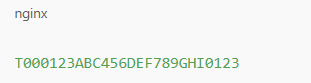
A unique, serialized 26-character alphanumeric code
-
A 2D Data Matrix / QR-style barcode
-
(Sometimes) a small Amazon “Transparency” logo
What It Does Not Include
Transparency labels do NOT contain:
-
SKU
-
ASIN
-
FNSKU
-
UPC/EAN barcode
-
Price or inventory info
The Transparency code is intentionally independent of SKU or ASIN, because it’s meant only for authenticity
Examples are below:
Can Expandly support with adding Transparency Labels to me products?
Yes, Expandly can help apply Transparency labels to your products and send them to Amazon.
-
Warehouse teams can handle the labeling.
-
Clear working instructions are required to ensure the rework matches your expectations.
Contact Us
If you would like to discuss this in more detail, Contact Us and we'll be happy to help!